
Transform Your Body with Pilates and Gyrotonic Classes

Pilates and Gyrotonic classes have gained immense popularity in recent years, and for good reason. These unique forms of exercise not only enhance physical fitness but also promote mental well-being. If you’re looking to transform your body, improve flexibility, and build strength, incorporating these practices into your routine could be the key to achieving your goals.
Understanding Pilates
What is Pilates?
Pilates is a low-impact exercise method that focuses on strengthening muscles while improving postural alignment and flexibility. Developed by Joseph Pilates in the early 20th century, this practice emphasizes core strength, stability, and controlled movements.
Benefits of Pilates
Core Strength: Pilates targets the core muscles, which are essential for overall stability and strength.
Improved Flexibility: Regular practice can lead to increased flexibility, making daily activities easier.
Enhanced Posture: Pilates encourages awareness of body alignment, helping to correct poor posture.
Mind-Body Connection: The focus on breath and movement fosters a deeper connection between the mind and body.
Getting Started with Pilates
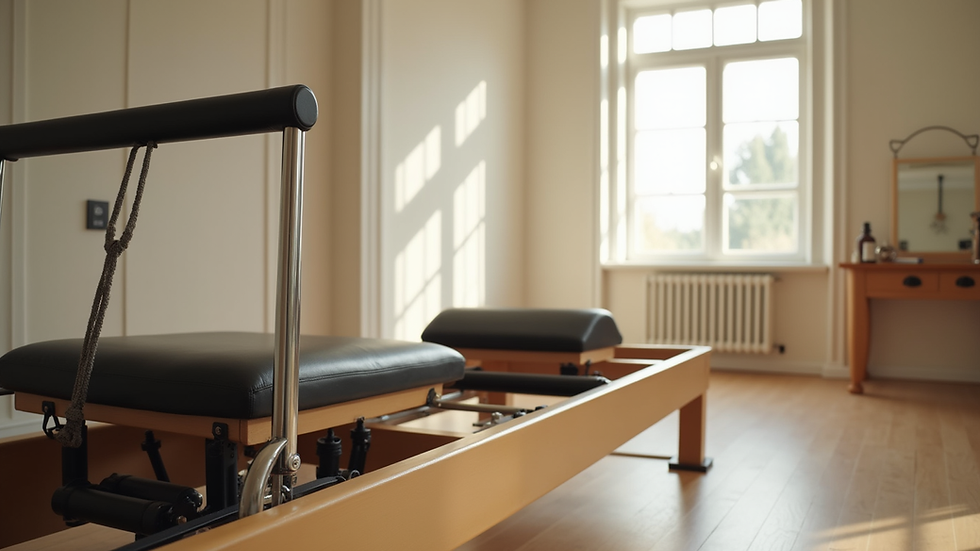
If you’re new to Pilates, consider starting with a beginner class. Look for certified instructors who can guide you through the fundamentals. Classes typically involve a combination of mat work and equipment, such as the reformer, which adds resistance to your movements.
Exploring Gyrotonic
What is Gyrotonic?
Gyrotonic is a movement system that combines elements of yoga, dance, and swimming. Developed by Juliu Horvath, this method focuses on circular movements and rhythmic breathing, promoting flexibility and strength throughout the body.
Benefits of Gyrotonic
Full-Body Workout: Gyrotonic engages multiple muscle groups, providing a comprehensive workout.
Increased Range of Motion: The fluid movements help to enhance flexibility and joint mobility.
Stress Relief: The rhythmic nature of Gyrotonic can be meditative, reducing stress and promoting relaxation.
Rehabilitation: Many practitioners use Gyrotonic as a form of rehabilitation due to its low-impact nature.
Getting Started with Gyrotonic
To begin your Gyrotonic journey, seek out a certified instructor who can tailor sessions to your individual needs. Classes often utilize specialized equipment, such as the Gyrotonic Expansion System, which allows for a variety of movements.

Comparing Pilates and Gyrotonic
While both Pilates and Gyrotonic offer unique benefits, they also have distinct differences. Understanding these can help you choose the right practice for your fitness journey.
Similarities
Focus on Core Strength: Both methods emphasize core stability and strength.
Mind-Body Connection: Each practice encourages awareness of breath and movement.
Low Impact: Both are gentle on the joints, making them suitable for various fitness levels.
Differences
Movement Style: Pilates tends to focus on linear movements, while Gyrotonic incorporates circular and flowing motions.
Equipment: Pilates often uses the reformer and mats, whereas Gyrotonic utilizes specialized equipment designed for its unique movements.
Philosophy: Pilates is rooted in rehabilitation and fitness, while Gyrotonic emphasizes a holistic approach to movement and wellness.
Choosing the Right Class for You
When deciding between Pilates and Gyrotonic, consider your personal fitness goals, preferences, and any physical limitations. Here are some tips to help you choose:
Assess Your Goals: If you’re looking to build core strength and improve posture, Pilates may be the right choice. If you want to enhance flexibility and explore fluid movements, consider Gyrotonic.
Try Both: Many studios offer introductory classes for both methods. Trying each can help you determine which resonates with you more.
Consult with an Instructor: Speak with certified instructors about your fitness history and goals. They can provide valuable insights and recommendations.
Incorporating Pilates and Gyrotonic into Your Routine
Creating a Balanced Schedule
To maximize the benefits of both practices, consider incorporating them into your weekly routine. Here’s a sample schedule:
Monday: Pilates class focusing on core strength
Wednesday: Gyrotonic session for flexibility and relaxation
Friday: Pilates class to reinforce alignment and stability
Saturday: Gyrotonic session to enhance full-body movement
Listening to Your Body
As you embark on your Pilates and Gyrotonic journey, it’s essential to listen to your body. Both practices encourage mindfulness, so pay attention to how you feel during and after each session. Adjust your routine as needed to ensure you’re getting the most out of your workouts.
Success Stories
Real-Life Transformations
Many individuals have experienced significant transformations through Pilates and Gyrotonic. Here are a few inspiring stories:
Sarah, 32: After struggling with chronic back pain, Sarah turned to Pilates. Within months, she noticed improved posture and reduced discomfort. She now practices regularly and feels stronger than ever.
Mark, 45: Mark discovered Gyrotonic as a way to enhance his flexibility for sports. He found that the fluid movements not only improved his performance but also helped him relax and reduce stress.
Conclusion
Transforming your body with Pilates and Gyrotonic classes is not just about physical change; it’s about fostering a deeper connection between your mind and body. By understanding the benefits of each practice and incorporating them into your routine, you can achieve a balanced and fulfilling fitness journey.
Take the first step today by exploring local classes or online resources. Your body will thank you for it!
Comments